

Luxury Kitchens in Dubai: Complete Guide to Design, Materials, Layout, and Cost in 2026

The Ultimate Guide to Planning a High-End Kitchen in UAE Homes
Why Luxury Kitchens Are the Centerpiece of Modern UAE Homes
Designing a premium home in the UAE is no longer just about spacious layouts and expensive finishes. Today, the kitchen has become one of the most important spaces in the house, both visually and functionally.
Homeowners working with a Luxury Interior Design Company in Dubai understand that a well-planned kitchen adds long-term value, improves daily living, and defines the overall character of the home.
In modern villas, penthouses, and high-end apartments across Dubai, Abu Dhabi, and other emirates, luxury kitchens are designed as statement spaces that combine European craftsmanship, smart technology, and highly customized layouts.
In recent years, the demand for luxury kitchens in the UAE has grown significantly.
This is driven by changing lifestyles, open-plan architecture, and the increasing influence of European kitchen brands.
Homeowners are no longer satisfied with standard modular kitchens. They want kitchens that are built with precision, designed around their lifestyle, and equipped with premium appliances.
Whether it is a contemporary villa in Dubai Hills, a waterfront apartment in Abu Dhabi, or a custom-built residence in Sharjah, the kitchen is now treated as a central design feature rather than a secondary space.
This complete guide explains everything homeowners need to know before designing a luxury kitchen in the UAE.
From layout planning and material selection to German vs Italian kitchens, appliance choices, and cost expectations, this guide covers every detail required to plan a high-end kitchen correctly.
What Defines a Luxury Kitchen in Dubai Today
A luxury kitchen is not defined by the price alone.
In the UAE market, a kitchen is considered luxury when it combines high-quality materials, precision engineering, smart storage, premium appliances, and custom design.
These kitchens are usually part of larger interior projects where every element is planned to match the architecture and lifestyle of the homeowner.
One of the key characteristics of luxury kitchens in Dubai is the level of customization.
Unlike standard kitchens that come in fixed sizes and finishes, luxury kitchens are designed specifically for the space.
Cabinet dimensions, storage systems, finishes, lighting, and appliances are all selected based on the layout of the home and the way the family uses the kitchen.
This level of detail is what separates a high-end kitchen from a regular modular setup.
Another defining feature is the use of European kitchen systems. German and Italian kitchens dominate the luxury segment because of their durability, precision, and design flexibility.
These kitchens are manufactured using advanced technology, high-quality hardware, and engineered materials that last for years without losing performance.
In many luxury homes, the kitchen is imported or supplied through specialized interior companies that work with European brands.
In high end Dubai homes appliance integration is also an important factor. In luxury kitchens, appliances are not placed randomly.
They are built into the design so that the kitchen looks clean and organized. Built-in ovens, hidden refrigerators, integrated dishwashers, and induction cooktops are common in premium homes.
Many homeowners also prefer smart appliances that can connect to home automation systems, allowing them to control cooking, lighting, and ventilation through mobile devices.
Lighting plays a major role as well. A luxury kitchen usually includes layered lighting, such as ceiling lights, under-cabinet lights, island lighting, and decorative fixtures.
Proper lighting not only improves functionality but also enhances the visual appeal of the space, especially in open-plan homes where the kitchen is visible from the living and dining areas.
Storage planning is another feature that defines high-end kitchens. Luxury kitchens often include tall units, pull-out systems, hidden drawers, pantry cabinets, and walk-in storage areas.
These solutions help keep the kitchen organized while maintaining a clean and minimal look.
In the UAE, luxury kitchens are also designed to suit the lifestyle of the homeowner.
Many villas include both a show kitchen and a back kitchen. The show kitchen is used for entertaining and daily use, while the back kitchen is used for heavy cooking.
This concept is very popular in Dubai and Abu Dhabi because it allows the main kitchen to remain clean and elegant at all times.
When all these elements come together, design, materials, appliances, lighting, and layout, the result is a kitchen that feels refined, efficient, and built for modern luxury living.
Understanding the UAE Luxury Homeowner: Expectations and Lifestyle Needs
To design a successful luxury kitchen in the UAE, it is important to understand how homeowners use their spaces.
Unlike many other markets, homes in Dubai and Abu Dhabi are often larger, more open, and designed for hosting guests.
Because of this, the kitchen must perform multiple roles at the same time.
One major expectation among luxury homeowners is visual perfection. The kitchen should look elegant from every angle, especially in open-plan layouts where it connects directly to the living and dining areas.
This is why clean lines, concealed storage, and integrated appliances are highly preferred.
A kitchen that looks cluttered or outdated can reduce the overall impact of the interior, even if the rest of the house is well designed.
Another important expectation is durability.
High-end homeowners want kitchens that last for many years without problems.
Cheap hardware, low-quality hinges, or poor installation can cause issues over time, which is why premium kitchens usually use European fittings, soft-close systems, and engineered cabinet materials.
In luxury homes, quality is considered more important than cost.
Lifestyle also plays a big role in kitchen design in the UAE. Many families cook frequently, host gatherings, or have staff working in the kitchen.
Because of this, the layout must allow easy movement and enough storage. Large islands, double ovens, wide countertops, and tall cabinets are common in luxury kitchens because they make the space more practical for daily use.
Another common requirement is the back kitchen concept. In many villas, the main kitchen is designed for display and light cooking, while the back kitchen is used for heavy cooking.
This allows homeowners to keep the main kitchen clean and stylish while still having a fully functional cooking area. This feature is especially popular in large homes in Dubai and Abu Dhabi.
Technology is also becoming an expectation rather than an option. Many homeowners now prefer smart kitchens where appliances, lighting, and ventilation can be controlled automatically.
Built-in coffee machines, wine coolers, steam ovens, and induction cooktops are frequently included in luxury projects.
Finally, personalization is one of the biggest trends in the UAE luxury market. Homeowners want kitchens that match their interior style, whether it is modern, classic, or contemporary European.
This is why custom kitchen design is preferred over ready-made solutions. Every detail, from cabinet finish to handle style, is selected to match the overall theme of the home.
Understanding these expectations is the first step in planning a luxury kitchen that not only looks impressive but also works perfectly for the way people live in the UAE.
Popular Luxury Kitchen Styles in Dubai and Abu Dhabi
Luxury kitchens in the UAE are not designed using one fixed style. The choice of style usually depends on the architecture of the home, the interior theme, and the lifestyle of the homeowner.
In high-end villas and apartments, the kitchen must match the overall design concept of the house, which is why most luxury projects follow a few well-established styles.
Modern Minimalist Kitchens
Modern minimalist kitchens are one of the most preferred choices in new luxury homes. These kitchens focus on clean lines, handleless cabinets, neutral colors, and seamless appliance integration.
The goal is to create a space that looks simple but feels highly refined.
Minimalist kitchens usually include matte finishes, hidden storage, built-in appliances, and large countertops without visual clutter.
This style works especially well in contemporary villas and high-rise apartments where the kitchen is visible from the living area.
Homeowners who prefer a modern lifestyle often choose minimalist kitchens because they look elegant, easy to maintain, and timeless.
Contemporary European Kitchens
Contemporary European kitchens are very popular in the UAE luxury segment because they combine design and engineering.
Most high-end homes choose German or Italian kitchen systems because they offer better durability, better hardware, and more customization options.
These kitchens usually feature high-quality cabinet materials, soft-close mechanisms, precision hinges, and perfectly aligned finishes.
The design can be minimal, modern, or slightly decorative depending on the overall interior theme.
European kitchens are often selected in projects where the homeowner wants long-term reliability along with premium aesthetics.
Classic Luxury Kitchens
Classic kitchens are still preferred in many large villas, especially in homes with traditional or elegant interiors.
These kitchens include detailed cabinet doors, decorative moldings, rich wood finishes, and natural stone countertops.
Unlike modern kitchens, classic kitchens focus more on craftsmanship and visual richness. Materials such as marble, natural wood, and brass hardware are commonly used.
This style is often chosen in luxury residences where the interior design follows a formal or timeless theme rather than a modern one.
Open-Plan Show Kitchens
Open-plan kitchens have become very common in luxury homes across Dubai and Abu Dhabi.
In these layouts, the kitchen is connected to the living and dining areas, so the design must look perfect from every angle.
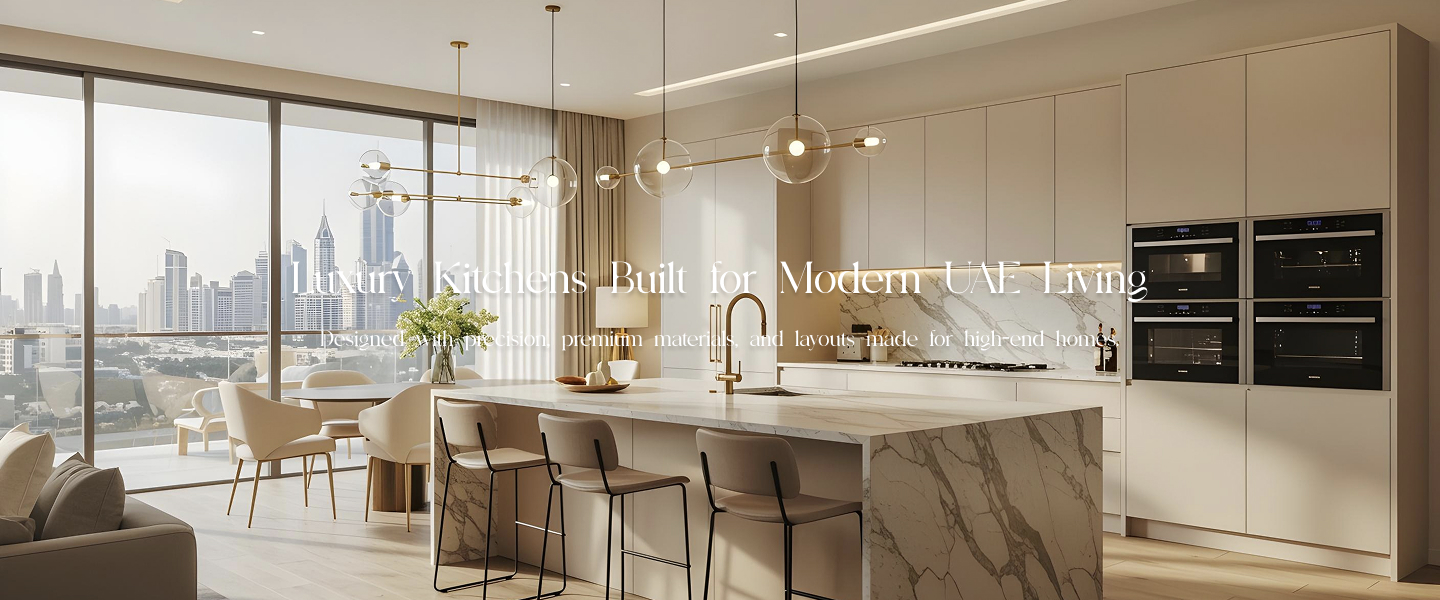
Show kitchens usually include a large island, built-in appliances, and concealed storage.
Because the kitchen is always visible, the design needs to remain clean and organized at all times.
In many villas, the show kitchen is paired with a back kitchen, allowing homeowners to keep the main space elegant while still having a fully functional cooking area.
German Kitchens vs Italian Kitchens: Which Works Better in UAE Homes
When planning a luxury kitchen, one of the most common decisions is choosing between German and Italian kitchen systems.
Both are considered premium, and both are widely used in high-end homes in the UAE.
The difference is mainly in design philosophy, manufacturing approach, and level of customization.
German kitchens are known for precision and efficiency.
They are manufactured using highly advanced machinery, which ensures consistent quality across every cabinet and component.
These kitchens focus on functionality, durability, and clean design. Storage systems are highly organized, hardware is engineered for long-term use, and finishes are designed to last for years without damage.
Italian kitchens focus more on design expression. They often use unique materials, bold finishes, and creative layouts.
Italian manufacturers give more freedom in design, which makes these kitchens ideal for homeowners who want a strong visual impact.
Instead of strict standardization, Italian kitchens allow more flexibility in shapes, colors, and textures.
In the UAE, both options are used depending on the type of home.
Modern apartments and contemporary villas often use German kitchens because they offer reliability and minimal design.
Large villas and designer homes often use Italian kitchens because they create a more luxurious and artistic look.
Many high-end projects today combine both approaches, using German engineering for structure and Italian styling for finishes.
This allows the kitchen to perform well while still looking unique.
The best choice depends on the interior design style, the budget, and how the kitchen will be used daily.
Kitchen Layout Planning for Luxury Villas and Apartments
Layout planning is one of the most important steps when designing a luxury kitchen. A good layout improves workflow, increases storage, and makes the space more comfortable to use.
In high-end homes, the kitchen layout must also match the size of the space and the lifestyle of the family.
When planning Luxury Kitchens in Dubai, designers usually start with the layout before selecting materials or finishes.
The right layout ensures that appliances, cabinets, and countertops are positioned correctly from the beginning.
Island Kitchens
Island kitchens are the most popular layout in luxury homes. A large island in the center provides extra workspace, storage, and seating.
It also makes the kitchen look more premium and balanced.
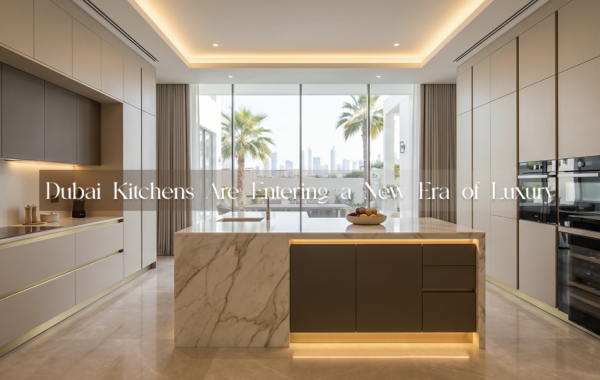
In open-plan homes, the island often becomes the main focal point. It can include a cooktop, sink, or breakfast counter depending on the design.
Island kitchens work best in villas and large apartments where there is enough space to move comfortably around the island.
L-Shape Kitchens
L-shape kitchens are commonly used when the space is connected to the living area. This layout uses two walls for cabinets and appliances, leaving the rest of the space open.
This design allows easy movement and works well in both modern apartments and medium-sized villas. An island can also be added to an L-shape kitchen if the space allows.
U-Shape Kitchens
U-shape kitchens provide maximum storage and countertop space. Cabinets are placed on three sides, creating a highly functional workspace.
This layout is often used in large villas where the kitchen is used frequently. It allows separate zones for cooking, washing, and preparation, which makes the kitchen more efficient.
U-shape layouts are also ideal when the homeowner wants a highly organized kitchen with plenty of storage.
Open Kitchen with Living Integration
Many luxury homes in the UAE follow open-plan architecture. In these homes, the kitchen is connected directly to the living and dining areas.
This layout requires careful planning because the kitchen must look clean at all times.
Built-in appliances, hidden storage, and minimal design are usually preferred in open kitchens.
Lighting, materials, and colors must also match the rest of the interior so that the kitchen feels like part of the living space.
Back Kitchen / Service Kitchen Concept
The back kitchen concept is very common in luxury villas. In this setup, the home has two kitchens, a show kitchen, and a service kitchen.
The show kitchen is designed for display, light cooking, and entertaining guests. The back kitchen is used for heavy cooking, frying, and daily work.
This layout allows the main kitchen to stay clean and elegant while still providing full functionality.
Many homeowners in Dubai and Abu Dhabi prefer this setup because it suits their lifestyle and makes the home easier to manage.
Choosing the Right Materials for Luxury Kitchens
Material selection plays a major role in defining whether a kitchen looks premium or ordinary.
In luxury homes, materials are chosen not only for appearance but also for durability, maintenance, and long-term performance.
High-end kitchens usually combine engineered materials with natural finishes to achieve both strength and elegance.
Cabinet Materials
Luxury kitchen cabinets are rarely made from basic plywood or MDF alone. Most premium kitchens use engineered boards with high-density cores, lacquer finishes, veneer, or laminate systems designed for long-term use.
German kitchens often use precision-engineered panels with perfect edge sealing, which prevents moisture damage.
Italian kitchens may include lacquered finishes, real wood veneer, or textured surfaces for a more design-focused look.
Matte finishes, anti-fingerprint coatings, and handleless systems are commonly used in modern luxury kitchens because they maintain a clean appearance even with daily use.
Countertops (Quartz, Marble, Granite, Porcelain)
Countertops are one of the most visible elements in a luxury kitchen. The choice of material affects both the look and the durability of the space.
Quartz is one of the most popular choices because it is strong, low maintenance, and available in many finishes.
It resists stains and scratches, which makes it practical for daily cooking.
Marble is used when the homeowner wants a rich and natural look. It gives a very premium feel but requires more care compared to quartz.
Granite is known for strength and durability. It works well in kitchens where heavy cooking is common.
Porcelain countertops are becoming more popular in modern luxury kitchens. They are heat-resistant, scratch-resistant, and available in very clean, contemporary finishes.
The final choice usually depends on how the kitchen will be used and the overall interior style.
Glass, Metal, and Matte Finishes
Luxury kitchens often combine multiple finishes instead of using a single material everywhere. Glass cabinets, metal trims, and matte surfaces are used to create contrast and depth.
Matte finishes are widely preferred in modern homes because they look elegant and do not show fingerprints easily.
Glass shutters are used for display cabinets or tall units to add visual interest without making the kitchen look heavy.
Metal accents such as brushed steel, bronze, or black aluminum are often used in handles, frames, and trims to give the kitchen a refined look.
These details may look small, but they make a big difference in how premium the kitchen feels.
Premium Hardware and Hinges
Hardware quality is one of the biggest differences between a normal kitchen and a luxury kitchen.
High-end kitchens use European hinges, drawer channels, and lift systems designed for long-term use.
Soft-close drawers, smooth sliding mechanisms, and silent closing systems are standard in premium kitchens.
Good hardware ensures that cabinets remain aligned, doors close properly, and drawers work smoothly even after years of use.
In luxury homes, durability is as important as appearance, which is why hardware should never be compromised.
Luxury Kitchen Appliances: What High-End Homes Expect in 2026
Appliances are a key part of any luxury kitchen. In high-end homes, appliances are selected during the design stage so they can be integrated perfectly into the layout.
Modern luxury kitchens focus on built-in systems, smart technology, and professional performance.
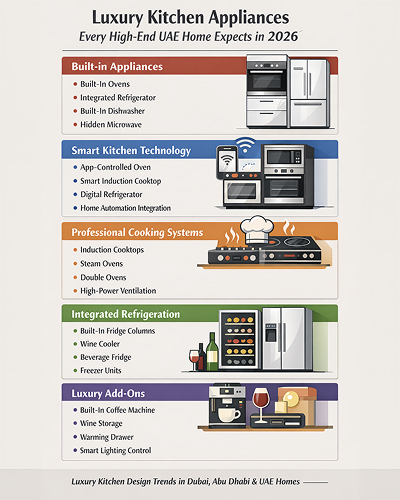
Built-in Appliances
Built-in appliances are standard in luxury kitchens. Ovens, microwaves, dishwashers, and refrigerators are designed to fit inside cabinets so that the kitchen looks clean and organized.
This approach improves both appearance and functionality. It also allows designers to maintain symmetry in the kitchen layout.
Built-in appliances are especially important in open-plan kitchens where everything is visible from the living area.
Smart Kitchens
Smart technology is becoming common in premium homes. Many appliances now connect to home automation systems, allowing homeowners to control them through mobile apps or touch panels.
Smart ovens, induction cooktops, and refrigerators can adjust settings automatically. Some systems also send alerts, track usage, and help manage energy consumption.
In modern luxury homes, smart kitchens are not considered optional anymore. They are part of the expected standard.
Professional Cooking Systems
Many luxury homeowners prefer appliances that offer professional-level performance.
Large cooktops, steam ovens, double ovens, and high-power ventilation systems are often included in premium kitchens. These appliances make cooking easier and more efficient, especially in homes where cooking is done frequently.
Professional appliances are also preferred in villas where the kitchen is used for hosting and entertaining guests.
Integrated Refrigeration
Instead of one large refrigerator, luxury kitchens often use modular refrigeration systems.
Separate units for fridge, freezer, wine storage, and beverages allow better organization and more storage space.
These units are usually built into tall cabinets so that they match the rest of the kitchen.
Integrated refrigeration also improves the overall look because the appliances do not stand out.
Coffee Systems and Wine Storage
Built-in coffee machines have become very common in high-end kitchens. These systems can prepare espresso, cappuccino, and other drinks with one touch.
Wine coolers are also popular, especially in villas and large apartments. They keep bottles at the correct temperature and add a premium feature to the kitchen.
These appliances are not necessary for every home, but they are often included in luxury projects because they improve convenience and lifestyle comfort.
Storage Planning in Luxury Kitchens
Storage design is one of the most important parts of a luxury kitchen. A well-designed kitchen should look clean even when used daily.
This is only possible when storage is planned correctly from the beginning.
Hidden Storage Solutions
Luxury kitchens usually avoid open shelves unless they are part of the design. Most storage is concealed behind cabinets to maintain a clean look.
Hidden drawers, corner systems, and internal organizers help keep everything in place without making the kitchen look crowded.
Appliances are also often hidden behind panels so that the kitchen looks more like furniture than a workspace.
Walk-in Pantry
Large homes often include a walk-in pantry next to the kitchen. This space is used to store groceries, small appliances, and extra utensils.
A pantry keeps the main kitchen free from clutter and makes it easier to organize daily items.
In luxury villas, the pantry is sometimes connected to the back kitchen to make cooking more convenient.
Tall Units and Pull-Out Systems
Tall cabinets provide more storage without using too much floor space. These units are often used for built-in appliances, pantry storage, or large containers.
Pull-out systems make it easier to reach items stored inside deep cabinets. Instead of bending or searching, the entire shelf can slide out smoothly.
These systems improve comfort and make the kitchen easier to use every day.
Soft-Close & Motion Systems
Luxury kitchens always use soft-close drawers and doors. Cabinets should close smoothly without noise.
Some modern kitchens also include push-to-open systems or electric lift mechanisms for wall cabinets.
These features may seem small, but they improve the overall experience of using the kitchen and make it feel more premium.
Lighting Design in High-End Kitchens
Lighting is often ignored in basic kitchens, but in luxury homes it is carefully planned. Good lighting improves both the look and the functionality of the kitchen.
Ambient Lighting
Ambient lighting provides overall brightness in the kitchen. Ceiling lights, recessed lights, and panel lights are usually used for this purpose.
The goal is to make the kitchen evenly lit without shadows. In large kitchens, multiple light sources are used instead of one central light.
Task Lighting
Task lighting is placed where work is done. Under-cabinet lights, island lights, and counter lights help improve visibility while cooking.
This type of lighting makes the kitchen more comfortable to use, especially at night.
In luxury kitchens, task lighting is usually hidden so that the light is visible but the fixture is not.
Decorative Lighting
Decorative lighting adds style to the kitchen. Pendant lights above the island, wall lights, and designer fixtures are often used to create a premium look.
These lights do not just provide brightness. They help the kitchen match the rest of the interior design.
In open kitchens, decorative lighting is very important because the kitchen is part of the living space.
Smart Lighting Systems
Many luxury homes use smart lighting systems that allow brightness and color to be adjusted automatically.
Lights can be controlled using mobile apps, switches, or home automation panels.
Smart lighting allows homeowners to change the mood of the kitchen depending on the time of day or activity, which makes the space more comfortable and modern.
Color Trends in Luxury Kitchens in UAE
Color selection has a strong impact on how premium a kitchen looks. In luxury homes across the UAE, colors are chosen based on interior style, lighting, and the overall architecture of the house.
Instead of bright or trendy shades, most high-end kitchens use refined tones that remain elegant for many years.
When planning bespoke European kitchen designs, color is usually finalized after materials, layout, and lighting are decided so that the entire space feels balanced.
Neutral Kitchens
Neutral colors are the most popular choice in luxury kitchens. Shades like white, beige, grey, taupe, and soft brown create a clean and timeless look.
Neutral kitchens work well in both modern and classic interiors because they match easily with marble, quartz, wood, and metal finishes. They also make the kitchen look brighter and more spacious, which is important in open-plan homes.
Many homeowners choose neutral colors because they do not go out of style and are easier to maintain in the long term.
Dark Luxury Kitchens
Dark kitchens are becoming more common in high-end villas and designer apartments. Colors like matte black, charcoal, dark brown, and deep grey create a bold and sophisticated appearance.
Dark finishes are often combined with metal accents, stone countertops, or wood textures to avoid making the kitchen look heavy.
This style is usually chosen in large kitchens with good lighting, where the darker tones can create a strong visual impact without making the space feel small.
Two-Tone Kitchens
Two-tone kitchens use different colors for upper and lower cabinets or for the island and wall units.
This approach adds depth and makes the design more interesting without using too many materials.
A common combination is light cabinets with a dark island, or neutral cabinets with wood finishes.
Two-tone designs work well in modern luxury homes because they create contrast while still keeping the kitchen elegant.
This style is often used when the kitchen is part of the living space and needs to look more like furniture than a work area.
Natural Wood & Stone Finishes
Natural materials are widely used in luxury kitchens because they add warmth and texture. Wood veneer, stone surfaces, and brushed metal details make the kitchen feel more refined.
Wood finishes are often used to balance modern designs, while marble or porcelain countertops add a premium look.
In high-end homes, the goal is not to use too many colors but to use the right combination of materials so the kitchen looks rich without looking crowded.
Smart Kitchens and Home Automation Integration
Smart technology is now a standard feature in luxury homes. Kitchens are designed to work with home automation systems so that lighting, appliances, and ventilation can be controlled easily.
Modern luxury kitchens often include smart ovens, induction cooktops, refrigerators with digital controls, and automated lighting systems.
These appliances can be operated through mobile apps or central control panels.
Home automation also allows homeowners to create different settings for cooking, cleaning, or entertaining.
Lights can change brightness, ventilation can adjust automatically, and appliances can be turned on before entering the kitchen.
In large villas, smart systems are especially useful because they make daily tasks easier and save time.
Automation is not only about convenience. It also improves energy efficiency and safety.
Many modern appliances turn off automatically when not in use, which reduces power consumption.
For high-end homes, smart integration is no longer considered an extra feature. It is part of the expected standard in modern kitchen design.
Luxury Kitchen Cost in Dubai: Complete Price Guide
The cost of a luxury kitchen in Dubai depends on several factors. Size, materials, brand, appliances, and installation all affect the final price.
Unlike standard kitchens, luxury kitchens are custom-made, so the cost can vary widely depending on the design.
Cost Based on Size
Kitchen size is one of the biggest factors in pricing.
Small luxury kitchen :
Higher cost per square meter but lower total price
Medium kitchen:
Balanced cost depending on layout
Large villa kitchen:
Higher total cost because of more cabinets, appliances, and storage systems
Large kitchens often include islands, tall units, and additional storage, which increases the overall budget.
Cost Based on Materials
Material choice can change the cost significantly.
Basic laminate finishes cost less, while lacquer, veneer, glass, and metal finishes cost more. Countertops also affect the price.
Quartz is usually moderate in cost, while marble and porcelain can be more expensive.
Premium hardware, soft-close systems, and custom finishes also increase the price but improve durability.
Cost Based on Brand (German / Italian / Custom)
German kitchens are known for engineering quality and long-term reliability. They are often priced in the premium range but offer strong durability.
Italian kitchens usually cost more when the design includes custom finishes and special materials.
Fully custom kitchens can be the most expensive because every part is made specifically for the project.
The right choice depends on budget, design preference, and how long the kitchen is expected to last.
Appliance Cost Range
Appliances can take a large part of the total budget.
Built-in ovens, induction cooktops, refrigerators, dishwashers, and ventilation systems all add to the cost.
High-end brands with smart features cost more but offer better performance.
Additional appliances like coffee machines, wine coolers, and steam ovens increase the budget further but are common in luxury homes.
Installation & Design Cost
Luxury kitchens require professional design and installation. The cost includes planning, measurements, customization, delivery, and fitting.
Proper installation is very important because even high-quality cabinets will not perform well if installed incorrectly.
In premium homes, design and installation are considered part of the investment, not an extra expense.
Luxury Kitchen Cost in Abu Dhabi vs Dubai
The cost of luxury kitchens in Abu Dhabi and Dubai is usually similar, but some differences can occur depending on the type of project.
Dubai has more high-rise apartments and modern villas, which often require highly customized kitchens.
Because of this, the cost can be higher in projects where special finishes or imported systems are used.
Abu Dhabi has many large villas where the kitchen size is bigger.
In these homes, the total cost may increase because more cabinets, appliances, and storage are needed.
Another factor is design complexity. Projects with open kitchens, islands, and back kitchens usually cost more than simple layouts.
Importing European kitchens also affects pricing, because shipping, installation, and customization must be included.
In both cities, the final cost depends more on design choices than location.
Common Mistakes to Avoid When Designing a Luxury Kitchen
Even expensive kitchens can have problems if they are not planned correctly.
Many mistakes happen when the focus is only on appearance and not on functionality.
One common mistake is choosing design before layout.
The layout should always be planned first so that appliances, storage, and work areas are positioned correctly.
Another mistake is using low-quality hardware to save money.
Hinges, drawer channels, and lift systems are used every day, so poor quality hardware can cause problems later.
Some homeowners also choose materials only based on look.
Certain finishes may look good but require high maintenance, which may not suit daily use.
Ignoring lighting is another common issue. Without proper lighting, even a beautiful kitchen can feel uncomfortable to use.
Not planning enough storage is also a frequent problem. Luxury kitchens should have hidden storage, tall units, and organized drawers so the space stays clean.
Finally, many projects fail because the kitchen is designed separately from the rest of the interior.
In high-end homes, the kitchen must match the overall design, not look like a separate space.
Avoiding these mistakes helps ensure that the kitchen not only looks premium but also works perfectly for everyday living.
How to Choose the Right Kitchen Designer in UAE
Choosing the right kitchen designer is one of the most important decisions when planning a luxury kitchen. In the UAE, many companies offer kitchen solutions, but not all of them specialize in high-end projects.
A luxury kitchen requires detailed planning, precision manufacturing, and proper installation, so experience matters more than price.
The first thing to check is whether the company has experience with luxury villas and premium apartments.
Designing a small modular kitchen is very different from designing a high-end kitchen with custom layout, built-in appliances, and imported materials.
The second factor is design capability.
A good kitchen designer should be able to plan the layout, storage, lighting, and appliance positions before selecting finishes.
If the design starts with colors and cabinets instead of layout and workflow, the result may not be practical.
Material quality is another important point. Luxury kitchens should use high-grade boards, durable finishes, and European hardware systems.
Always check what materials and fittings are being used, not just the final look.
Installation quality is equally important. Even the best kitchen will not perform well if it is installed incorrectly.
Professional companies provide proper measurements, factory production, and expert fitting to ensure everything aligns perfectly.
It is also important to choose a company that can handle the complete project, including design, supply, and installation.
This avoids problems that happen when different vendors handle different parts of the kitchen.
In luxury homes, the kitchen should be planned together with the interior design, not as a separate item. This ensures the final result looks balanced and refined.
Why European Kitchens Are Preferred in Luxury Homes
European kitchens are widely used in luxury homes across the UAE because they offer better durability, precision, and design flexibility compared to standard kitchens.
Most high-end projects choose German or Italian kitchen systems because they are built using advanced manufacturing technology and high-quality hardware.
One major advantage of European kitchens is precision engineering. Cabinets are produced using automated machinery, which ensures perfect alignment and consistent quality.
This makes the kitchen more durable and easier to maintain.
Another reason is hardware quality. European kitchens use premium hinges, drawer channels, and lift systems designed for long-term use.
Soft-close drawers, silent closing doors, and smooth sliding mechanisms are standard features.
Design flexibility is also a key factor. European kitchens allow customization in size, finish, and layout, which is necessary in luxury homes where every space is different.
Material quality is usually higher as well.
Anti-moisture boards, high-pressure laminates, lacquer finishes, and engineered surfaces last longer in hot and humid climates, which makes them suitable for UAE homes.
European kitchens also support appliance integration better.
Built-in ovens, refrigerators, and dishwashers fit perfectly into the design, which helps maintain a clean and modern look.
Because of these reasons, most luxury villas and premium apartments prefer European kitchens over standard modular options.
Timeline for Designing and Installing a Luxury Kitchen
Luxury kitchens take time to design and install because they are custom-made. Unlike ready-made kitchens, every part is planned based on the space, layout, and materials selected.
The first stage is design planning. This includes measurements, layout design, appliance planning, and material selection.
This stage usually takes a few weeks depending on the complexity of the project.
The second stage is production.
If the kitchen is imported or manufactured using European systems, production can take several weeks because cabinets are made specifically for the project.
The third stage is delivery and installation. Cabinets, appliances, and accessories must be installed carefully to ensure proper alignment.
Installation may take several days or longer depending on the size of the kitchen.
In large villas, the timeline can be longer because the kitchen may include a show kitchen, back kitchen, pantry, and additional storage areas.
Planning the kitchen early in the interior design process helps avoid delays.
When the layout is finalized before construction finishes, installation becomes faster and more accurate.
Luxury kitchens require patience, but proper planning ensures the final result meets the expected quality.
Planning the Perfect Luxury Kitchen in the UAE
Designing a luxury kitchen in the UAE requires careful planning, the right materials, and experienced execution.
The kitchen is no longer just a functional space. It is one of the most important parts of the home, especially in modern villas and high-end apartments.
Choosing the right layout, selecting durable materials, using premium appliances, and working with experienced designers makes a big difference in the final result.
German and Italian kitchens remain the preferred choice in luxury homes because they combine engineering quality with elegant design.
Proper storage planning, smart lighting, and appliance integration help create a kitchen that looks clean and works efficiently.
Cost can vary depending on size and customization, but investing in quality ensures the kitchen performs well for many years.
When the kitchen is designed as part of the overall interior, the space feels complete, balanced, and suitable for modern luxury living in Dubai, Abu Dhabi, and across the UAE.
FAQs
1. How much does a luxury kitchen cost in Dubai?
The cost depends on size, materials, appliances, and brand. A luxury kitchen usually costs significantly more than a standard modular kitchen because it includes custom cabinets, premium hardware, and built-in appliances. Large villas with European kitchens and high-end appliances can cost much higher than apartment kitchens.
2. Which is better for luxury homes, German kitchen or Italian kitchen?
Both are premium options. German kitchens are known for durability and precision, while Italian kitchens focus more on design and aesthetics. The right choice depends on the interior style and how the kitchen will be used.
3. How long does it take to install a luxury kitchen in UAE?
A custom luxury kitchen usually takes several weeks from design to installation. Imported kitchens may take longer because of manufacturing and shipping time. Planning early helps avoid delays.
4. What materials are best for luxury kitchen cabinets?
High-density engineered boards, lacquer finishes, veneer, and high-quality laminates are commonly used in luxury kitchens. These materials last longer and handle heat and humidity better.
5. What appliances are included in a luxury kitchen?
Luxury kitchens often include built-in ovens, induction cooktops, refrigerators, dishwashers, ventilation systems, and sometimes coffee machines or wine coolers. Many homeowners also prefer smart appliances.
6. Do luxury villas in Dubai need two kitchens?
Many large villas include a show kitchen and a back kitchen. The show kitchen is used for display and light cooking, while the back kitchen is used for heavy cooking. This keeps the main kitchen clean and organized.
7. Are European kitchens worth the cost?
European kitchens usually cost more, but they offer better durability, smoother hardware, and better design options. In luxury homes, they are often preferred because they last longer and look more refined.